Food Is Medicine Programs: How Centene Helps Members Improve Health
07/22/2026

Food Is Medicine (FIM) programs integrate nutrition support directly into care, helping people better manage chronic conditions and broader health needs, including pregnancy. At Centene, these programs provide practical options, including medically tailored meals and produce prescriptions, to help address conditions like diabetes, hypertension, and heart disease.
What FIM Is Teaching Us About Healthcare
As FIM programs continue to expand across the country, one lesson is becoming increasingly clear: health does not begin and end in a doctor's office. For many people, access to nutritious food can influence whether they are able to manage a chronic condition, follow a treatment plan or stay healthy enough to avoid more intensive care. FIM programs show what becomes possible when healthcare and community resources work together to address the everyday factors that shape health.
Why Nutrition Access Matters For Better Health
Access to nutritious food helps people follow care plans and manage chronic conditions such as diabetes and high blood pressure more effectively. Chronic conditions can affect daily life and overall health, and they are also a major driver of healthcare costs. More than 75% of adults in the United States live with at least one chronic condition, many of them diet-related. When people do not have consistent access to nutritious food, managing these conditions becomes more difficult, which can lead to worse outcomes.
How Centene Connects Nutrition Support To Whole-Person Care
Centene’s approach to supporting members with diet-related chronic conditions goes beyond providing access to nutritious food. FIM programs are clinically integrated nutrition interventions, recognizing that food can be an important part of treatment. These programs help ensure members not only have access to healthy food, but also receive the guidance and support needed to make nutrition part of their overall care plan. That means helping people access the right foods, understanding how nutrition supports their health and building habits that can improve long-term outcomes.

“When food is part of clinical care, it changes how people manage their health,” said Haleta Belai, Vice President, National Drivers of Health, Centene. “Whether through nutrition education, condition-specific guidance, or access to healthy foods that fit their budget and lifestyle, these programs are personalized and empower people to make lasting changes that improve their health and well-being.”
Research shows that when nutrition support is integrated into care, it can help people better manage chronic conditions and improve overall health. That includes setting clear, realistic goals, coordinating nutrition support alongside other health needs and connecting members to resources like nutrition counseling when it can help. It also means paying attention to what is working, so programs can continue to improve and expand.
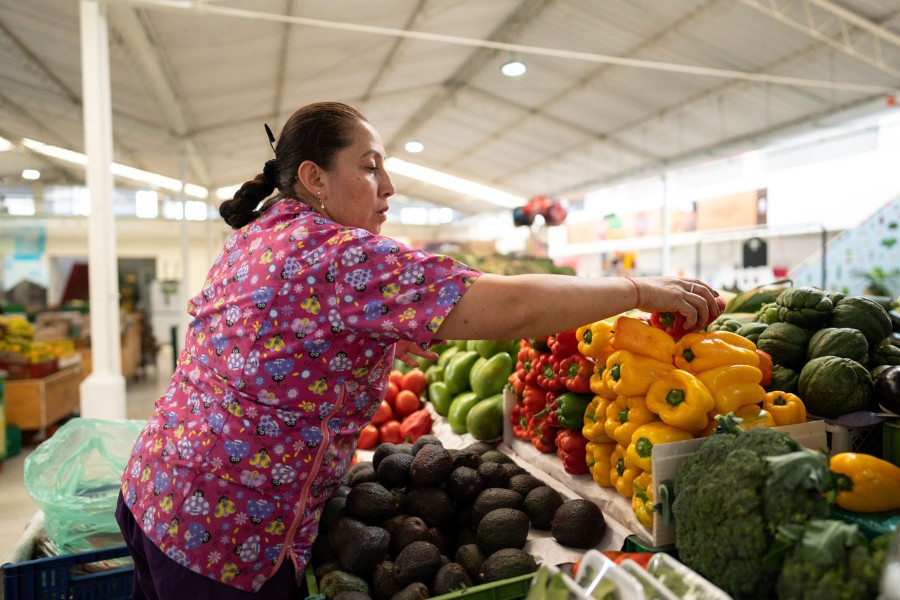
Community partnerships are central to how this work comes to life. Across the country, Centene collaborates with local partners, including grocers, farmers’ markets, regional organizations, and other community-based food suppliers, to help ensure members can access nutritious food. By sourcing food through local vendors whenever possible, these partnerships not only make it easier for members to receive culturally relevant and accessible nutrition support, but also help strengthen local food systems and support local economies. Together, these partnerships connect members to care where they are, helping them better manage their health while creating positive impacts in the communities they call home.
FIM Programs Are Designed to Meet Different Member Needs
FIM programs connect nutrition support to healthcare. Centene's approach focuses on connecting members to the type of nutrition support that best fits their needs through three core programs:
- Medically Tailored Meals (MTMs): Structured meal support for people with chronic conditions, such as members recovering from a recent hospitalization.
- Medically Tailored Groceries: Condition-specific groceries for members managing a chronic condition at home, as well as postpartum mothers who need convenient access to nutritious foods that support recovery and overall health.
- Produce Prescriptions: Vouchers or incentives for fruits and vegetables, often supporting individuals at risk for or managing diet-related conditions such as prediabetes or obesity.
Each program serves a different purpose. Some members need more structured meal support at key moments, while others benefit from groceries and coaching that help them build healthy habits. These programs are tailored to individual needs, integrated into care and typically last four weeks to six months. They are designed to complement—not replace—existing nutrition assistance programs by providing targeted nutrition support tied to a member’s health condition and care plan.
How FIM Is Delivering Results
Research and early program results show how FIM programs make a difference.
Studies show that MTMs may reduce hospitalizations and lower overall healthcare costs. Produce prescriptions have been associated with better nutrition and reduced food insecurity, with growing evidence across other FIM programs showing similar potential.
These programs have also been linked to improvements in clinical measures such as blood sugar, blood pressure and weight, helping people better manage their conditions.
"Food Is Medicine programs reinforce something we've long known to be true: improving health requires more than medical care alone," said Belai. "When nutrition support is integrated into care, we are not just helping people access healthy food. We are creating a more connected approach to healthcare that recognizes the role everyday needs play in long-term health outcomes."
Together, research and experience from FIM programs point to a broader lesson for healthcare: when care addresses both medical and everyday needs, people are better positioned to manage their health and achieve healthier outcomes. At Centene, FIM is one example of how connecting healthcare with community-based solutions can help advance whole-person care and improve health in the communities we serve.